Originally posted on August 10, 2011 by Canicus
Click on pictures for larger image.
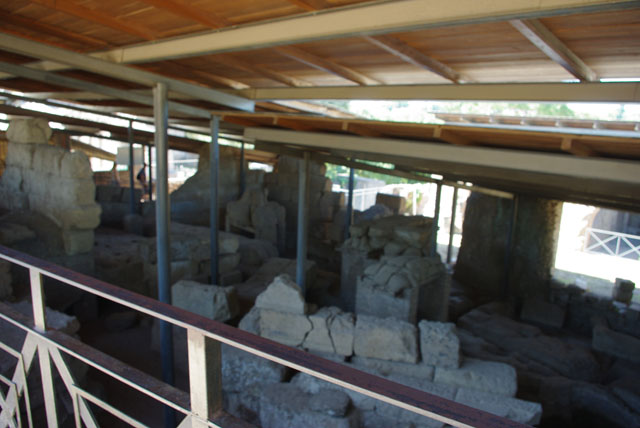
Rome has been inhabited for about 2,750 years. Ancient as well as modern authors disagree as to the exact year of Rome’s founding, but the archeological evidence is that it was an inhabited town as early as the eighth century B.C. There are few cities in the world that have been inhabited over a longer period of time. Athens comes to mind. Jerusalem might, had it not been leveled by Rome and briefly uninhabited in the second century A.D. after the Bar Kokhba revolt.

Trees tell their age by the rings formed in their trunks. We can tell something of climatic history by the characteristics of those rings. Ancient cities typically are built on layers, which reveal something of their histories. Rome is no exception. A tour bus guide commented that when the Bank of Italy building was constructed, significant archeological finds were found when the foundations were dug. The commentator went on to say that is true of any place in Rome.
Over the centuries Rome was reconstructed. The famous fire during Nero’s reign was just one of many. Some buildings collapsed, especially the tenements where most plebs lived. Several times the city was invaded which resulted in buildings being damaged. Roman emperors famously added new buildings on top of older buildings which were leveled to make way for the new. This has resulted in layers upon layers of foundations and partial walls. Earthquakes have collapsed all or parts of some structures—the Flavian Amphitheater (Coliseum) being a famous example. It was built on top of what had previously been part of the grounds of Nero’s Domus Aurea, which was on top of ruble left from the great fire during his reign.
It is hard for the visitor to imagine what various archeological sites—the Forum, the Palatine, Ostia etc.—might have looked like. What year are we talking about? Which layer of foundations is of interest. The Forum and the Palatine which Julius Caesar knew were not that which Augustus Caesar, who said he had found a city of brick but left a city of marble, left less than a century later. Neither resembled that which Constantine the Great found—or left.
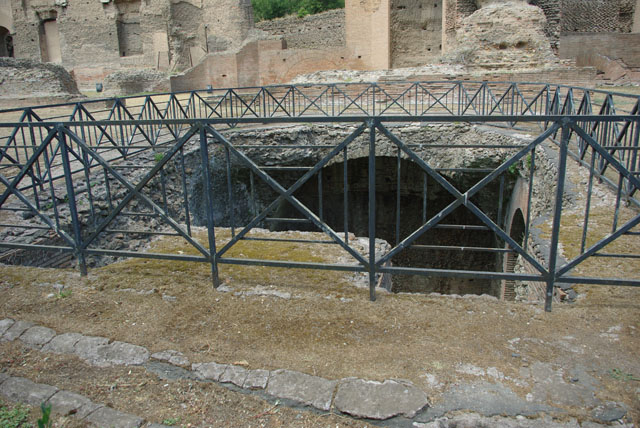
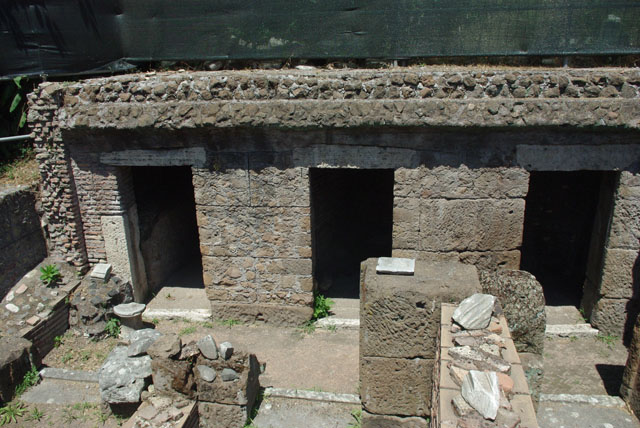
The visitor today sees evidence of this. Holes dug in the Forum, the Palatine and Ostia reveal structures below ground level upon which the structures we see today were built.
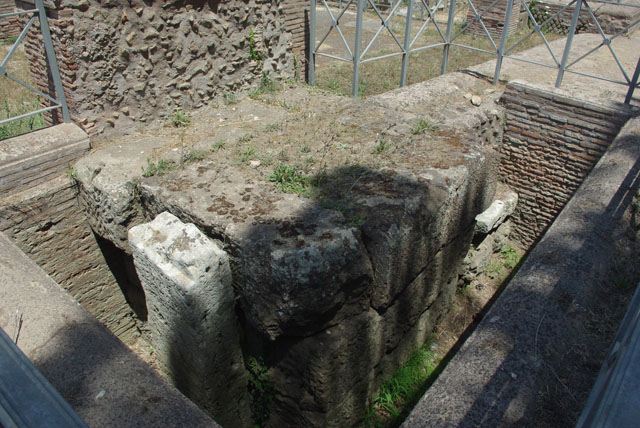
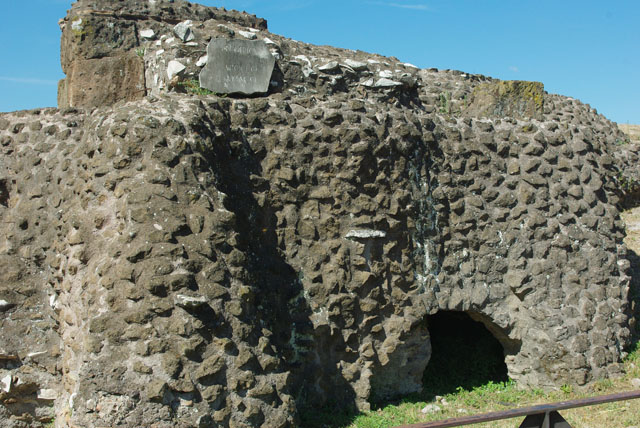
Similarly, here and there we see an arch—most of which is concealed below the current ground level.
Throughout the city we see archeological digs underway.
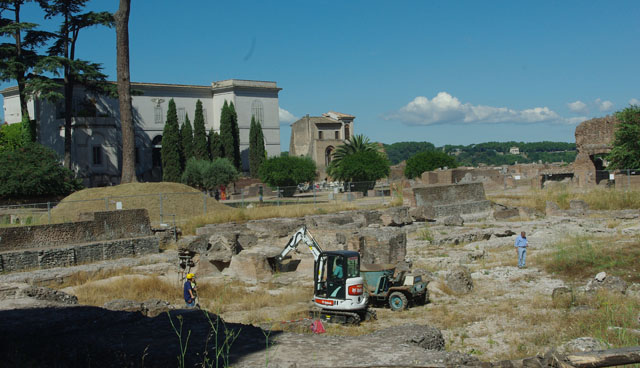
- Archeological dig on the Forum